
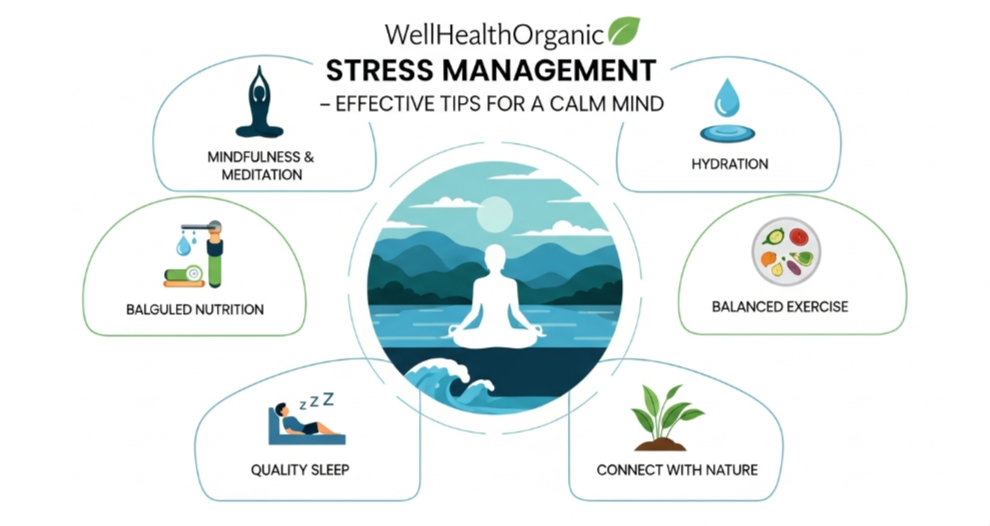
WellHealthOrganic Stress Management – Effective Tips for a Calm Mind
In today’s fast-paced world, stress has become a common challenge that affects mental and physical health. Many people feel overwhelmed by work pressure, personal responsibilities, or social expectations, which can lead to anxiety, fatigue, and even long-term health issues. The good news is that stress can be managed effectively through proven techniques that combine mindfulness, healthy habits, and lifestyle adjustments. The wellhealthorganic stress management approach provides simple, natural, and practical solutions to reduce stress and maintain a calm, balanced mind.
What Is WellHealthOrganic Stress Management?
The wellhealthorganic stress management concept focuses on methods and strategies to relieve mental tension and enhance emotional well-being. It emphasizes a holistic approach, combining mental exercises, physical activity, and lifestyle modifications to create long-lasting calmness.
Stress management is not about avoiding challenges but learning how to respond effectively to pressure. By understanding triggers and adopting healthy coping mechanisms, individuals can improve resilience, mood, and overall health.
Common Causes of Stress
Stress can arise from many aspects of daily life. Identifying the root causes helps in creating an effective stress management plan.
Typical Stress Triggers
- Work-related pressures or deadlines
- Financial concerns and responsibilities
- Personal or family conflicts
- Health-related worries
- Social and environmental challenges
Understanding these causes allows individuals to address stress proactively rather than reactively.
Physical and Mental Effects of Stress
Stress does not just affect your mood; it can also impact physical health.
Mental Effects
- Anxiety and irritability
- Difficulty concentrating
- Mood swings and depression
- Sleep disturbances
Physical Effects
- Headaches or migraines
- Increased heart rate and blood pressure
- Muscle tension
- Weakened immune system
Managing stress is essential to protect both mental and physical well-being.
WellHealthOrganic Stress Management Techniques
Adopting the right strategies can help reduce stress and promote a calm mind.
1. Mindfulness and Meditation
Practicing mindfulness helps focus the mind on the present moment. Meditation can reduce anxiety, improve mood, and increase emotional resilience.
- Try daily 10–15 minutes of deep breathing exercises
- Use guided meditation apps or videos
- Focus on the sensations of the body and surroundings
2. Physical Activity
Exercise is a natural stress reliever. Activities like walking, yoga, or jogging release endorphins that improve mood and reduce tension.
- Aim for at least 30 minutes of moderate exercise daily
- Incorporate stretching or yoga to relieve muscle tension
- Engage in outdoor activities for additional mental benefits
3. Healthy Diet
Nutrition impacts stress levels. Eating a balanced diet supports energy levels and overall well-being.
- Include fruits, vegetables, whole grains, and lean proteins
- Avoid excessive caffeine, sugar, and processed foods
- Stay hydrated to maintain mental clarity
4. Adequate Sleep
Quality sleep is crucial for managing stress effectively. Lack of rest increases irritability and reduces cognitive function.
- Maintain a consistent sleep schedule
- Limit screen time before bed
- Create a calm and comfortable sleep environment
5. Social Support
Connecting with friends, family, or support groups provides emotional relief and reduces feelings of isolation.
- Share feelings and concerns with trusted people
- Join community activities or hobby groups
- Seek professional support if needed
Relaxation Techniques
Additional practices can help calm the mind and body.
- Deep breathing exercises: Slow, controlled breathing reduces heart rate and promotes relaxation.
- Progressive muscle relaxation: Gradually tensing and relaxing muscles reduces physical tension.
- Aromatherapy: Essential oils like lavender and chamomile can enhance relaxation.
- Journaling: Writing down thoughts and emotions helps process feelings constructively.
Lifestyle Habits to Prevent Stress
Long-term stress management involves building a balanced lifestyle.
Healthy Habits
- Set realistic goals and priorities
- Take regular breaks during work or study
- Limit exposure to stressful news or social media
- Practice gratitude and positive thinking
- Engage in hobbies and activities you enjoy
These habits help maintain a proactive approach to stress and improve resilience.
Professional Support
Sometimes, stress becomes overwhelming and may require professional intervention.
- Consult a therapist or counselor for guidance
- Consider cognitive behavioral therapy (CBT) to develop coping strategies
- Seek medical advice if stress causes physical health issues
Professional support complements personal strategies and ensures effective stress management.
FAQs
What is WellHealthOrganic stress management?
It is a holistic approach that combines mindfulness, exercise, diet, and lifestyle practices to manage stress effectively and improve overall mental health.
Can meditation really reduce stress?
Yes. Regular meditation and mindfulness practices help calm the mind, reduce anxiety, and improve emotional resilience.
How long does it take to see results?
Stress reduction varies by individual, but consistent practice of these techniques often shows improvement within a few weeks.
Is physical activity necessary for stress management?
Yes. Exercise releases endorphins, reduces tension, and improves mood, making it an essential part of stress management.
Can diet affect stress levels?
Absolutely. Eating a balanced diet with sufficient nutrients supports mental clarity and energy, helping reduce stress naturally.
Conclusion
The wellhealthorganic stress management approach offers practical, natural, and effective ways to cope with stress. By combining mindfulness, regular exercise, healthy nutrition, proper sleep, and social support, individuals can maintain a calm and balanced mind. Long-term adoption of these practices enhances resilience, promotes emotional well-being, and improves overall health. Prioritizing stress management ensures a healthier, happier life in both personal and professional spheres.